A Derry Day Trip With My Parents
My parents are staying with us in Ireland for a while, and I’ve been trying to bring them to places they haven’t seen yet. Derry came to mind pretty quickly. We’d been on a Derry day trip ourselves before, and it stuck with us. You get to walk right along the top of the old city walls and cross the Peace Bridge, and there’s something about standing up there that’s hard to explain until you’ve done it.
I grew up watching the Troubles on the news, on the old TV set at my grandparents’ house. That was the 80s and 90s, and Northern Ireland was always in the headlines back then. For a long time that was the only version of it I knew: a place that only existed in grainy footage and bad news. Taking my parents up gave me a reason to actually stand in it instead.
The Drive Up: Starting Our Derry Day Trip
It’s about a 3 hour drive each way from Dublin, and in the end we only spent around 4 hours in Derry itself, more time on the road than in the city, if I’m honest. On the way up we passed Slane Castle, where crews were setting up for a Luke Combs concert that night. Traffic wasn’t too bad going up, but note to self: take a different road home next time.
Escaping the Heatwave
Dublin was in the middle of a heatwave that week, so I half expected more of the same further north. Instead, Derry was sitting at around 15 to 18 degrees and cloudy the whole time we were there. Wasn’t planning it as an escape from the heat, but that’s exactly what it turned into, and nobody was complaining.
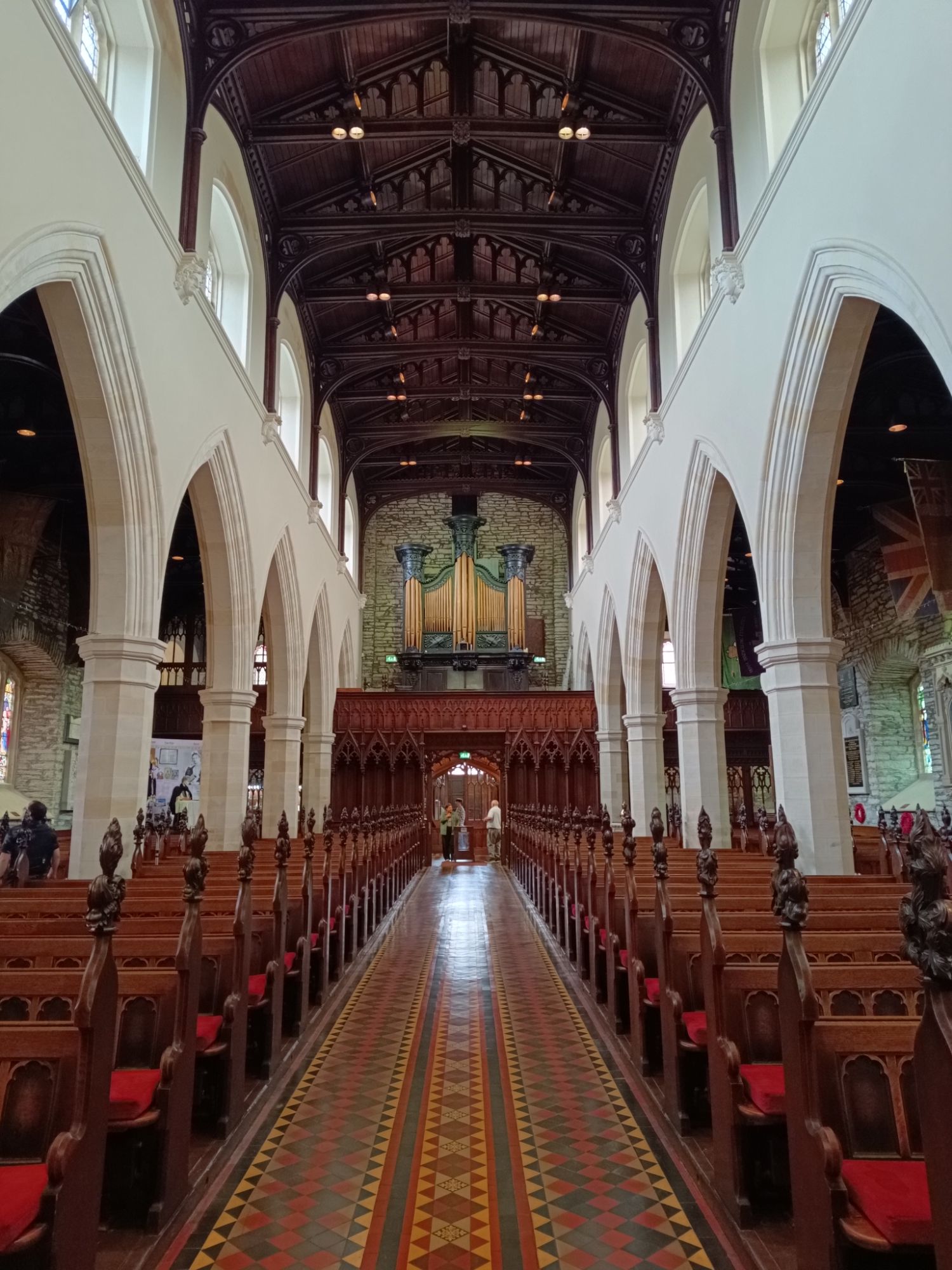
First Stop: St Columb’s Cathedral
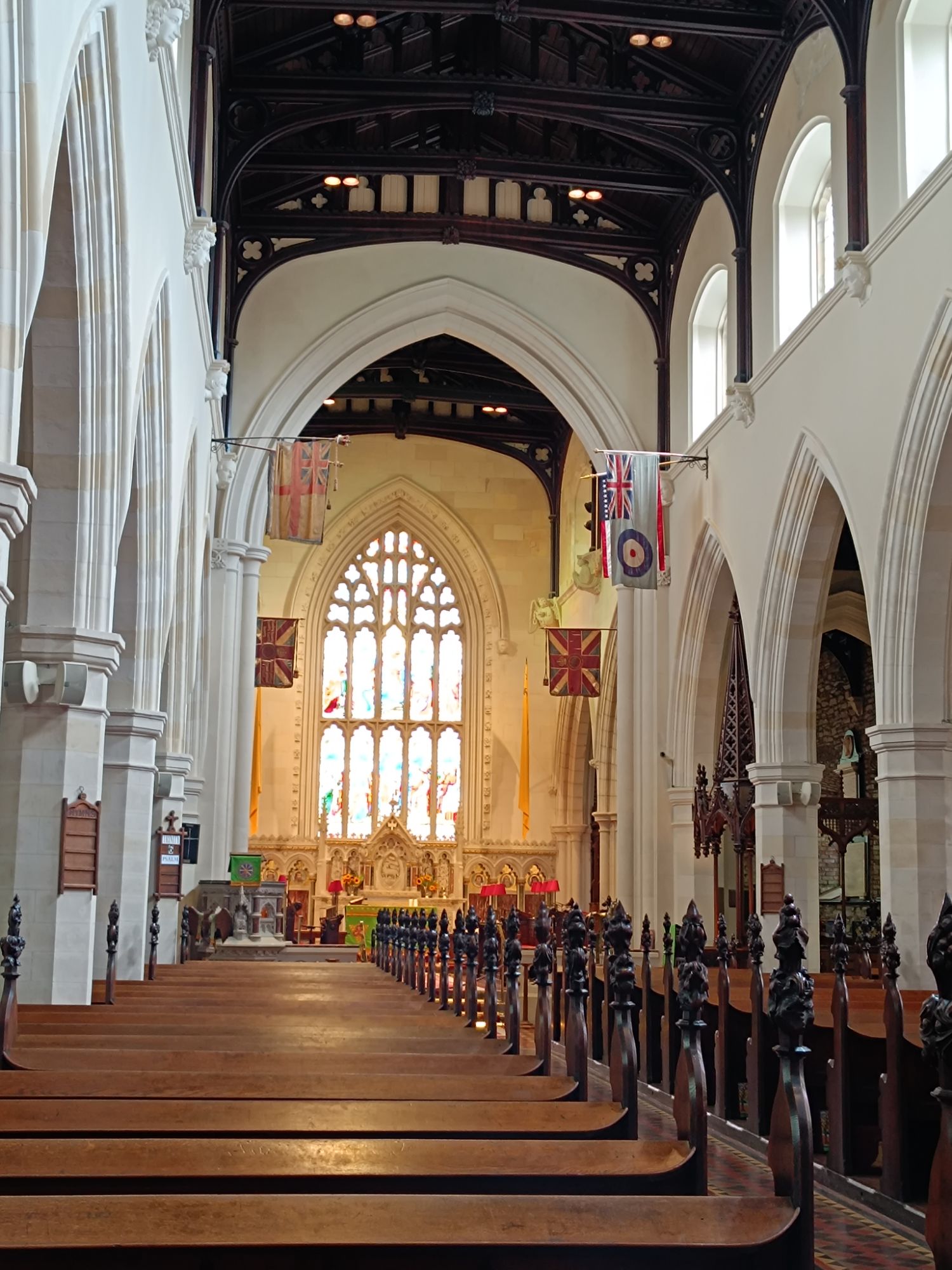
Our first stop walking the walls was St Columb’s Cathedral, just inside the old city walls. A volunteer met us at the door and gave us a quick rundown of the place before we wandered off on our own.
One detail stuck with me. During the Siege of Derry, the attackers fired a mortar ball into the church, and inside it were the terms they were offering if the city surrendered. It’s still on display today, a strange, physical piece of a story that’s almost 350 years old.
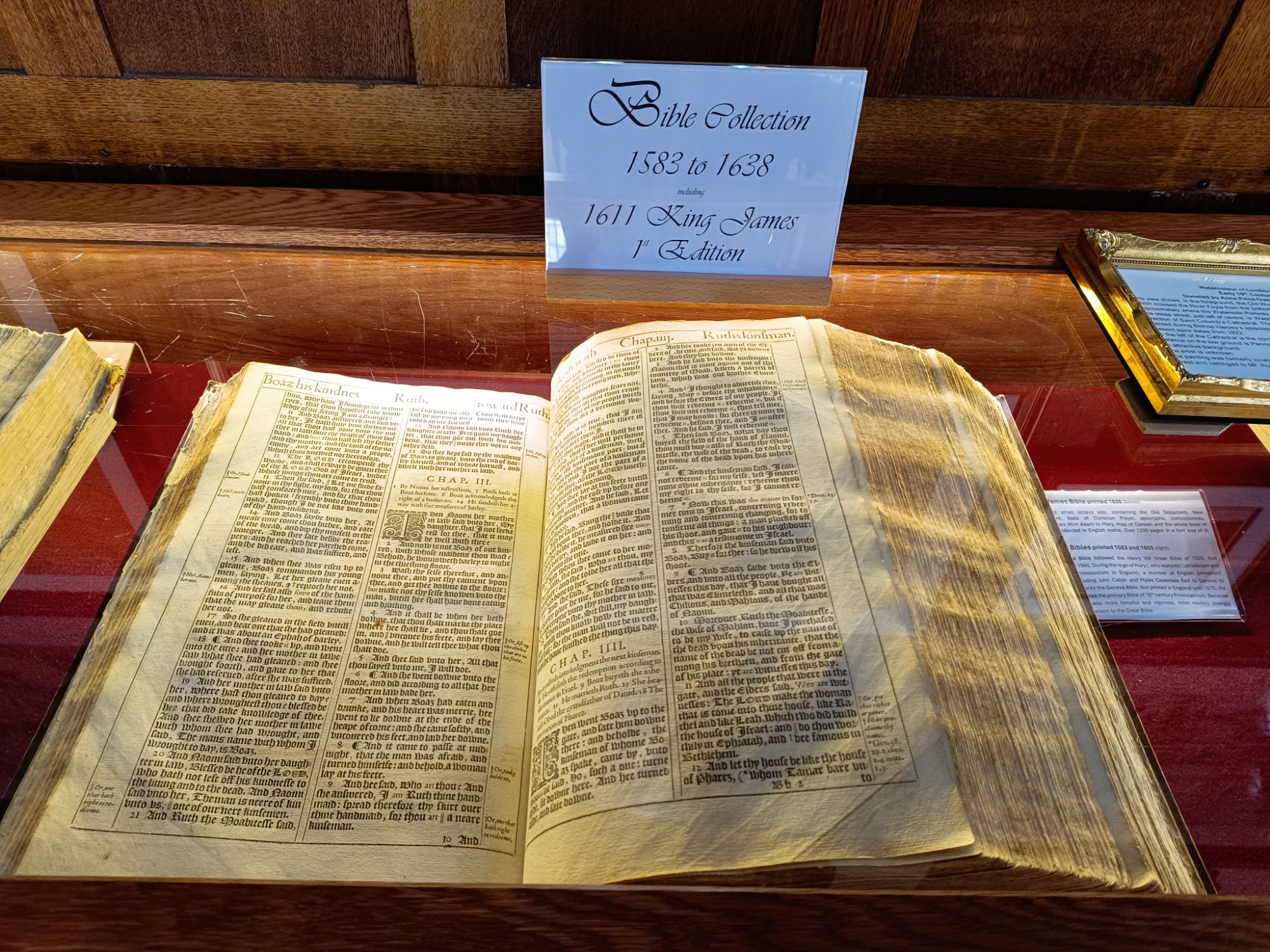
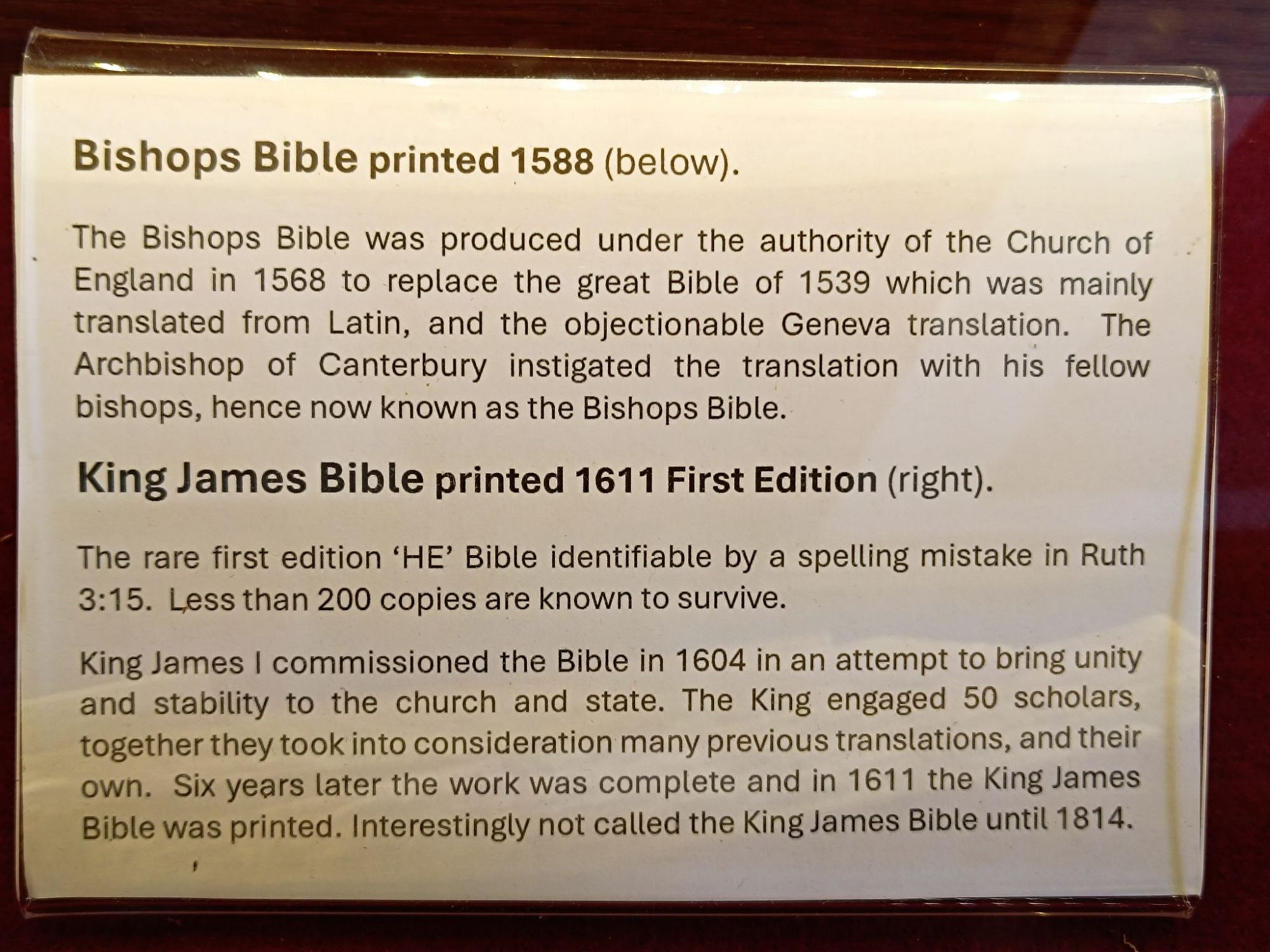
The stained glass throughout the cathedral was the other big highlight, worth slowing down for on its own. But what actually got me was the chapter house, where they have a first edition of the King James Bible on display, one of only 200 copies still known to exist. Not something I expected to find partway through a walk along the walls.
The Wee Church on the Wall
From there we carried on to St Augustine’s Church, the small one built right into the walls that everyone up there just calls the wee church on the wall. It’s tiny, and it was packed with tourists the whole time we were there, which, given how small it is, doesn’t take much.
We couldn’t linger the way we did at the cathedral, but it’s a quaint little stop, and there’s something nice about a building that small holding its own spot on the walls alongside everything grander around it.
Walking Derry’s City Walls
Walking Derry’s city walls is really what the day was built around. They went up between 1613 and 1618 and are still fully intact, which makes Derry one of the best surviving walled cities in Europe. The Honourable The Irish Society, formed by London guilds, built them, which is also where the double name Derry/Londonderry comes from.
The walls held through that same 105-day siege in 1689, when the city refused to surrender to the forces of King James II. “No Surrender” comes from that siege, and it’s still a phrase you’ll hear around Northern Ireland today. Derry was also central to the Plantation of Ulster in the 1600s, the colonisation scheme that reshaped the religious and political map of the north in ways still felt now.
Not all of the city’s history sits that far back, though. Bloody Sunday happened in Derry’s Bogside in 1972, when British soldiers shot 26 unarmed civilians during a civil rights march and killed 14 of them. It’s still one of the grimmest days from the Troubles. The Bogside was also where the civil rights movement of the late 1960s really took hold, with events like the Battle of the Bogside in 1969 helping set off everything that followed. If you’re curious about more of the north, we also wrote about our trip up to Belfast and Malin Head a while back.
The Guildhall
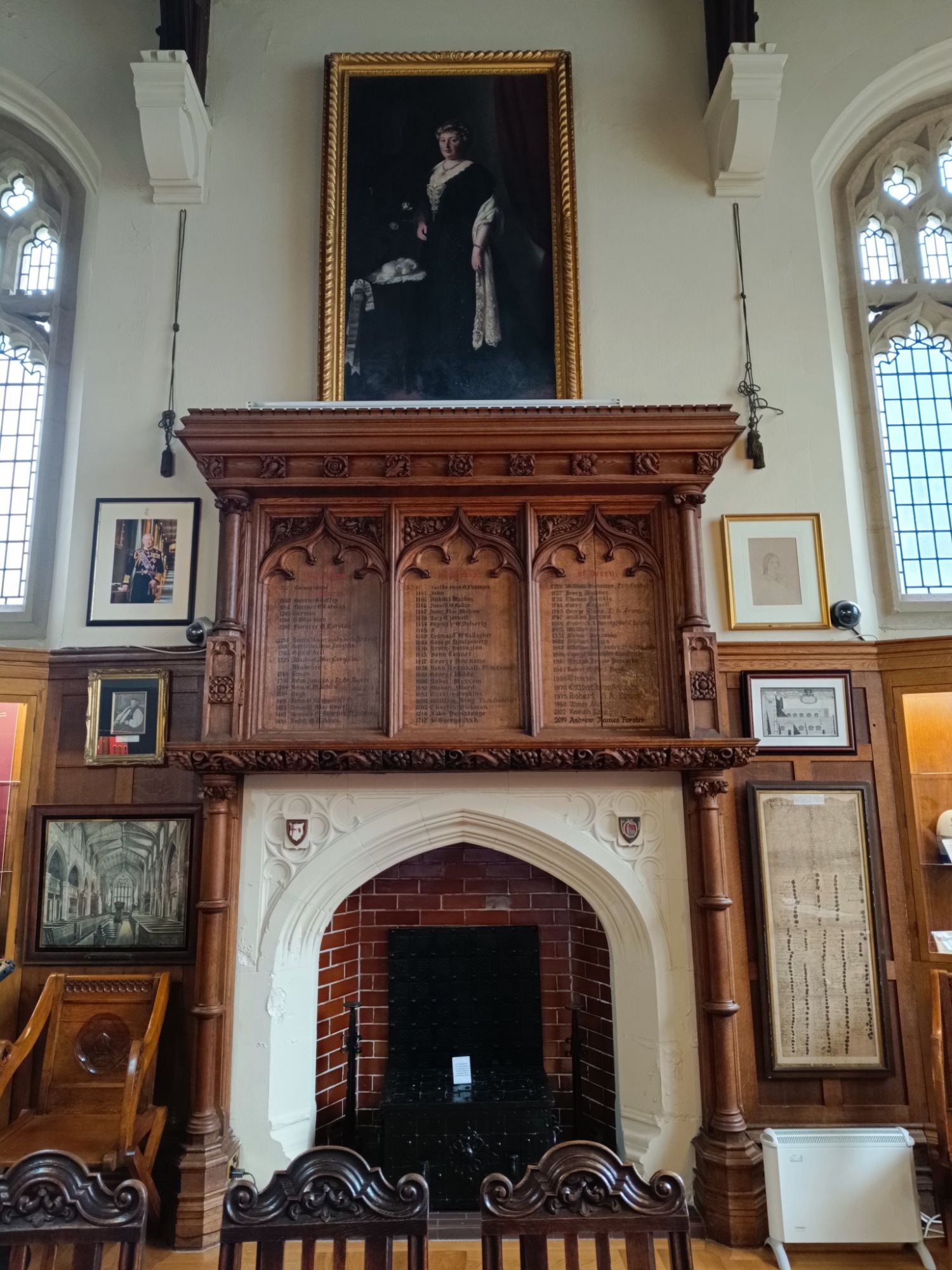
Further along the wall we stopped at the Guildhall, which turned out to be one of the highlights of the day. Inside there’s an exhibit on how the planters came to Ireland, and on the Flight of the Earls, when the last of the old Gaelic lords left the country in 1607 and effectively opened the door for Derry and the rest of Ulster to be planted the way it was.
Upstairs there’s a main hall lined with stained glass, and it’s worth the climb on its own. After spending the morning hearing about the walls from the outside, it was good to get some of the context behind why they went up in the first place.
The Peace Bridge
After the Guildhall we walked out to the Peace Bridge, mostly just to get a bit of cold air after being indoors for a while. It’s the kind of spot that doesn’t need much explaining once you’re standing on it: the whole idea behind it is right there in the name.
Lunch at COUPE
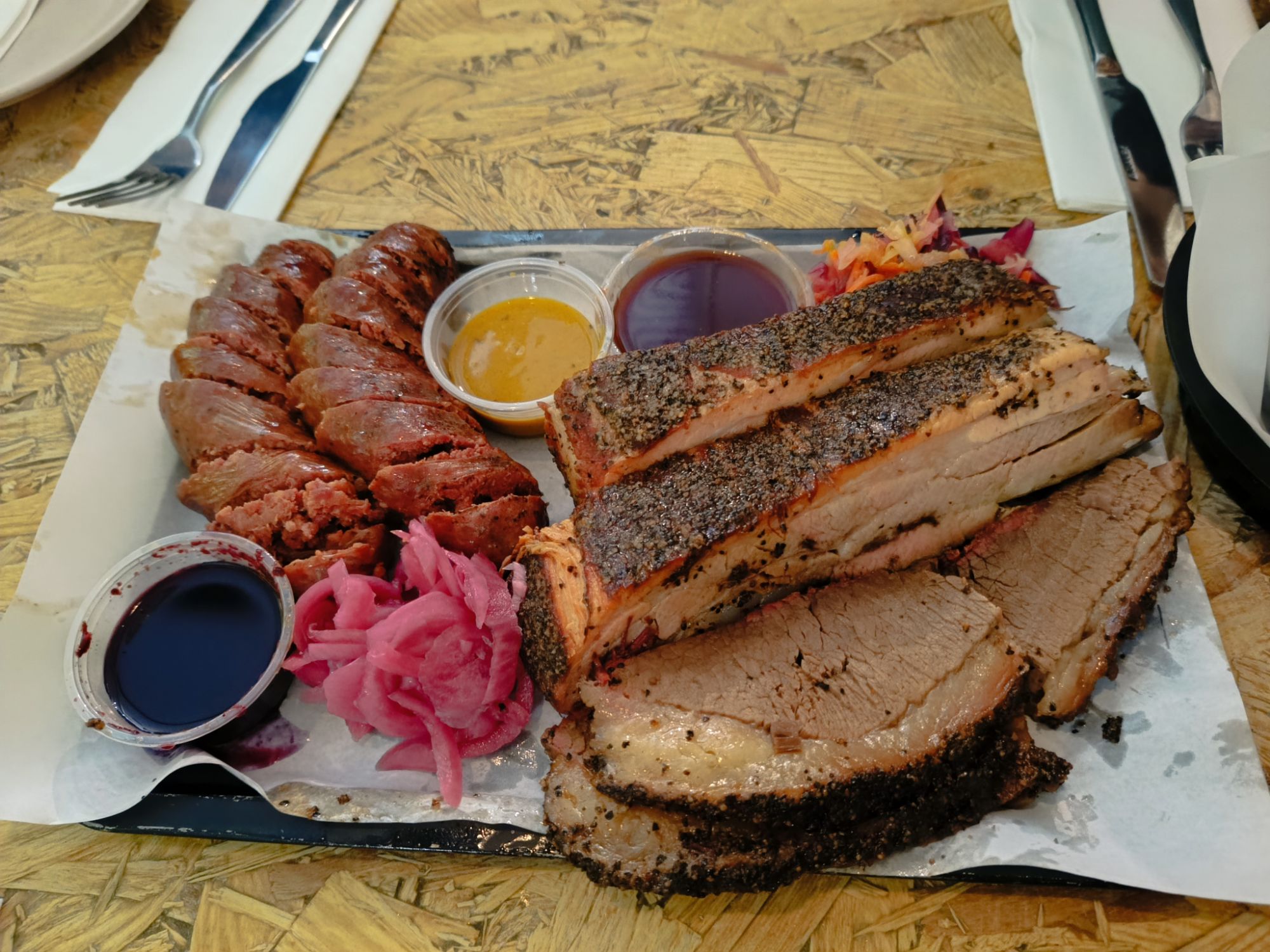
From the bridge we walked over to lunch at COUPE by The Dirty Souls, a smokehouse and BBQ spot that I’d honestly call underrated. We went for Saturday lunch and only two other tables were occupied the whole time, which felt like it should’ve been busier.
We got the 3 meat platter with 2 sides, and it was more than enough for the four of us. They’re generous with the hot links, and the ribs fall off the bone without any effort. The platter also came with a big bowl of pickles on the side, light and sharp enough to cut through all that meat, plus bread and the juices from the BBQ itself.
Only downside was the wait, since we went right when they’d just opened and the kitchen hadn’t quite got going yet. Worth it though.
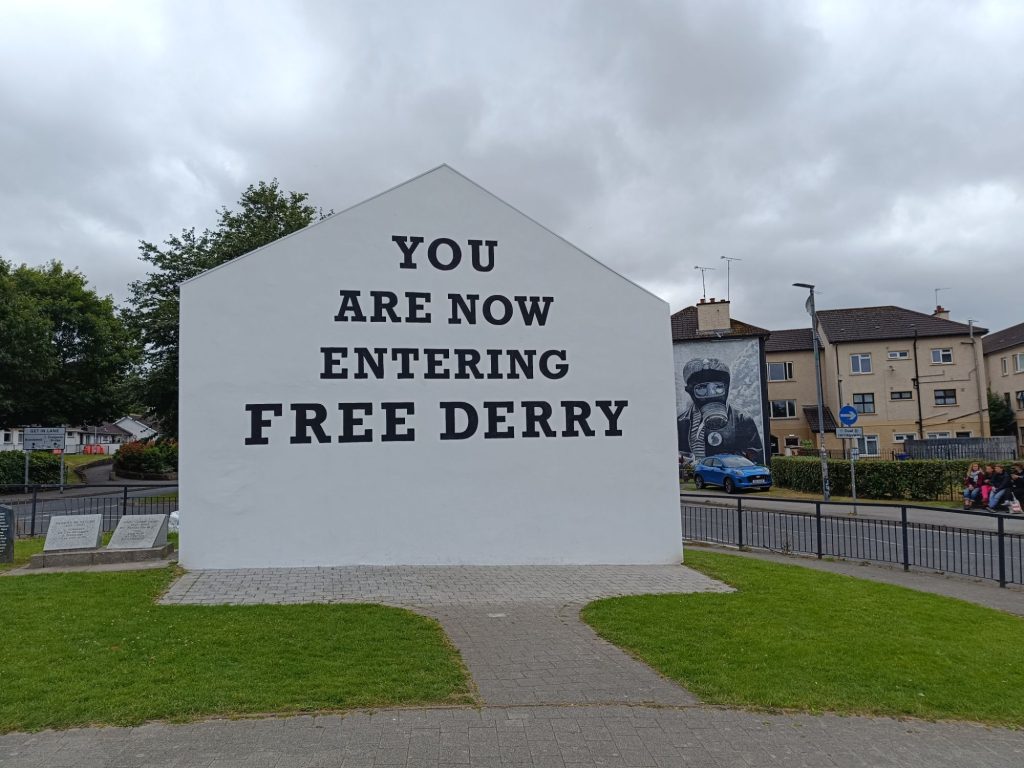
The Free Derry Mural
It’s about a 7 minute walk from COUPE to the “Free Derry” mural, so we headed over there next to get the photo everyone takes. It’s a small gable wall, but it carries a lot more weight in person than it does in any picture I’d seen of it before.